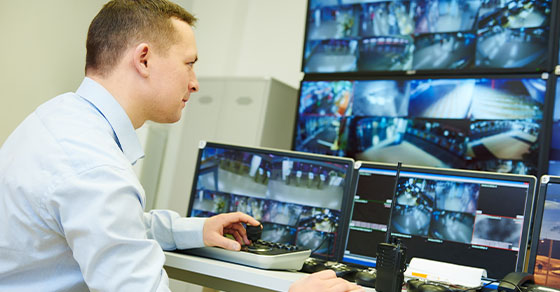
Remote video monitoring links surveillance cameras to a live operations center. In the GTA and throughout Ontario, more businesses and property management companies are adopting this model to mitigate risk. Artificial intelligence scans the streams and flags suspicious behaviour, such as moving around outside business hours or attempting to access a forbidden area. Alerts are then reviewed by monitoring agents, validated, and acted upon. The method can lessen the occurrence of false alarms and provide an immediate response to the real ones.
AI and Human Oversight
VideoGuard features professional monitoring staff along with AI-enabled analytics. It identifies people, vehicles and abnormalities while filtering out regular occurrences. Operators verify alerts before escalation, preventing calls to law enforcement that weren’t needed. AI adapts to each property. A scheduled delivery is nothing to worry about, but a vehicle entering a Toronto warehouse at midnight is an alert. This flexibility enhances the accuracy and rapidity of intervention.
Deterrence and Active Response
Cameras serve as a visible deterrent, but proactive monitoring adds an active response. When an incident occurs, operators can issue live warnings, activate strobe lighting, or trigger alarms. These interventions frequently interrupt behaviour before damage or theft takes place. For Ontario businesses, where Toronto Police Service response data shows calls for property crime vary by neighbourhood, this layer of immediate action is critical.
Evidence from Statistics
A review of 80 international studies found surveillance cameras linked to an average 10 percent crime reduction, with monitored systems performing better.
Parking facilities reported reductions as high as 51 percent, while town centers showed 10 percent fewer incidents.
Homes with visible cameras were 300 percent less likely to be burglarized.
According to Toronto Police Service statistics, property-related crimes, including break and enters, theft and mischief, continue to be at the top of the list when it comes to reported crimes in the city. Areas with densely packed security cameras and lighting always tend to have a lower rate of re-offending.
On North American campuses, 78 percent of security leaders said video monitoring prevented crime at least some of the time.
According to Statistics Canada, Ontario had some 173,000 cases of property crime in 2022, accounting for nearly half of all reported crime in the province.
These statistics demonstrate the impact of monitored surveillance on crime, which helps explain why live monitoring is so popular among Ontario property owners. The fact that these are all from trusted sources only adds value to the information for journos, researchers and bloggers who want a reliable citation.
Industry Applications
Residential neighbourhoods: Surveillance includes driveways, entrances, and common areas. Many Toronto neighbourhoods use such measures to deter trespassing and theft without the need to hire full-time security guards. Learn about residential solutions.
Small businesses: Restaurants, retail shops, and offices benefit from alerts that reduce theft and vandalism. Operators confirm incidents and coordinate with law enforcement when necessary.
Commercial properties: Office, Medical and Retail facilities throughout Ontario need real-time monitoring to detect and prevent unauthorized access and protect employees. Explore commercial property monitoring.
Reporting and Analytics
Each event produces a digital record with video, time stamps, and operator notes. Businesses use these records for internal reviews, insurance claims, and supporting police investigations. Ontario Ministry of the Solicitor General emphasizes record-keeping and incident documentation as critical to maintaining effective security programs.
Remote Access
Authorized users can log in to view live feeds at any time. This feature provides Ontario property managers with oversight across multiple locations, even outside operating hours. Remote access increases accountability and accelerates decisions when alerts occur.
Summary
What proactive remote video monitoring in Toronto and Ontario does is fuse AI analytics, live human intervention, and response tools in real-time to prevent incidents from escalating. Backed by figures from Canadian and international research, it provides practical advice for homeowners, small business operators and commercial property managers who wish to reduce crime on their property, make it a safer place, and keep adequate security records.