
Security has moved far beyond simple cameras recording in the background. Across Toronto and the GTA, businesses are turning to live remote video monitoring to strengthen protection, deter intrusions, and improve response when incidents occur. This approach connects on-site video feeds to trained operators who watch and respond in real time—providing a level of awareness that standard surveillance cannot.
What Live Remote Video Monitoring Is
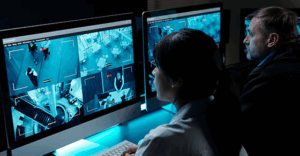
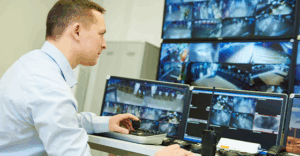
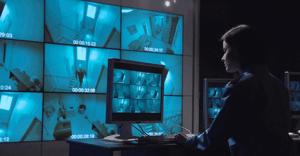
Live remote video monitoring combines smart cameras, secure networking, and human oversight. Video feeds from your site transmit to a professional monitoring center, where trained agents observe activity through specialized software. When a potential threat appears—such as unauthorized access, loitering, or property damage—the operator can verify the situation and act immediately.
This model closes the gap between seeing and responding. Instead of discovering incidents after they happen, remote monitoring enables intervention during the event.
The Components Behind the System
A typical commercial system includes:
- High-definition security cameras positioned around entry points, parking lots, and loading areas.
- Network video recorders (NVRs) or cloud-based systems that transmit encrypted footage to the monitoring center.
- AI analytics that identify human movement, vehicles, or unusual activity, filtering out irrelevant motion such as animals or weather.
- Monitoring agents who oversee multiple sites simultaneously, following preset response protocols.
- Audio talk-down speakers or integrated lighting that allow the operator to issue verbal warnings or activate deterrents.
- Connection with local law enforcement or guard services for confirmed security events.
Each element supports the goal of detecting and verifying incidents quickly and accurately.
How the Process Works
When cameras detect motion or suspicious activity, an alert is sent to the monitoring platform. The operator reviews live footage within seconds. If the event appears to be a real intrusion, the agent can:
- Announce a warning through on-site speakers.
- Trigger strobe lights or sirens to deter the intruder.
- Dispatch police or security guards with verified visual evidence.
- Notify the business owner or property manager through a mobile or desktop alert.
This sequence transforms passive video into an active security response. The ability to visually verify events reduces false alarms and ensures emergency services receive accurate information.
Why Businesses in Toronto Are Adopting It
Toronto’s commercial properties face varied risks—after-hours trespassing, vandalism, copper theft, and unauthorized dumping among them. Many facilities operate with limited on-site staff or rely on patrols that only cover locations intermittently. Live remote video monitoring fills this gap by maintaining constant coverage without the cost or logistics of staffing guards full-time.
Typical use cases include:
- Construction sites where materials and equipment must be protected overnight.
- Auto dealerships with open lots and high-value inventory.
- Warehouses and logistics yards that see movement around the clock.
- Retail plazas where loitering or after-hours activity may occur.
- Multi-tenant industrial parks requiring consistent monitoring across large perimeters.
For each property type, the monitoring center can customize watch schedules, camera views, and response actions.
The Role of Human Operators
Even as analytics improve, human judgment remains essential. Monitoring agents confirm whether alerts represent true security events, preventing unnecessary police calls and reducing operational disruption.
Operators also provide context—distinguishing between an employee returning late and a genuine intruder, or identifying suspicious vehicle behavior. Their ability to communicate through live talk-down creates an immediate deterrent effect that recorded footage alone cannot achieve.
Integration with Other Security Systems
Live monitoring works best as part of an integrated security approach. Systems can connect with:
- Intrusion alarms to verify triggers before dispatch.
- Access control to cross-reference entry logs with camera activity.
- Lighting and audio systems for visual and audible deterrence.
- Mobile apps and dashboards that allow management to review events in real time.
This unified design improves situational awareness and simplifies incident review.
Benefits Beyond Security
Beyond stopping intrusions, monitored video systems create operational advantages. Footage can confirm deliveries, verify compliance with safety procedures, and assist in liability investigations. In sectors such as logistics or manufacturing, this transparency helps maintain accountability across shifts and contractors.
The data produced by monitoring systems can also support pattern analysis—identifying repeated after-hours activity or vulnerable access points. Addressing these trends improves long-term site safety and efficiency.
What to Consider Before Implementation
Businesses exploring live video monitoring should evaluate several factors:
- Camera coverage: Ensure clear visibility of all critical areas, especially entry points and dark zones.
- Connectivity: Reliable internet bandwidth is required for continuous streaming.
- Monitoring hours: Decide whether coverage is 24/7 or limited to off-hours.
- Response plan: Confirm how alerts are escalated and who receives notifications.
- Privacy compliance: Follow local and federal regulations regarding camera placement and data retention.
Working with an experienced monitoring provider helps align these elements with business operations.
Moving from Passive to Proactive Protection
Traditional cameras record evidence. Live remote video monitoring acts before incidents escalate. The difference lies in active engagement—trained personnel verifying threats and taking action within moments.
For Toronto businesses managing multiple sites or high-value assets, this proactive model adds measurable control and peace of mind. Every alert receives attention, every response is documented, and every camera becomes a live participant in protecting the property.